Can a molly live with platies?
Edited by Marin Hale · last reviewed November 14, 2026
Yes, in 20+ gallons. No in 5 or 10 gallons.
Mollies and platies live well together in 20+ gallons. Both are comfortable at 70–80°F.
Plan on a tank of at least 20 gallons for both.
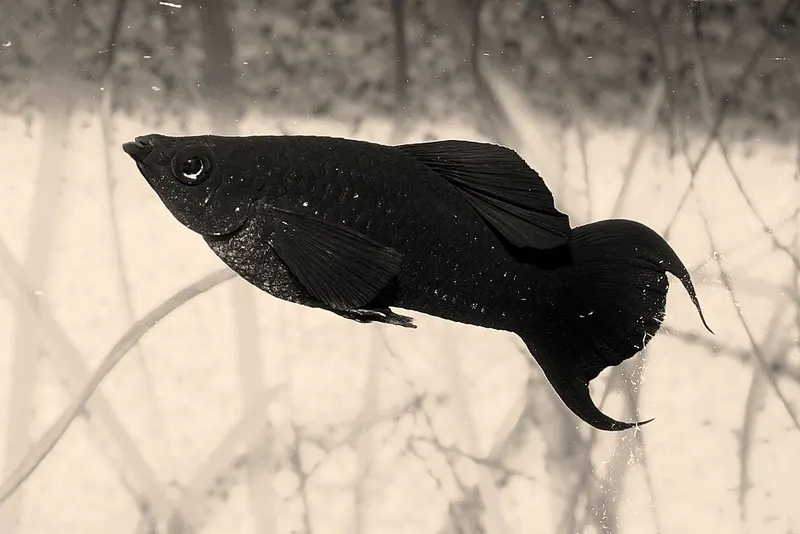
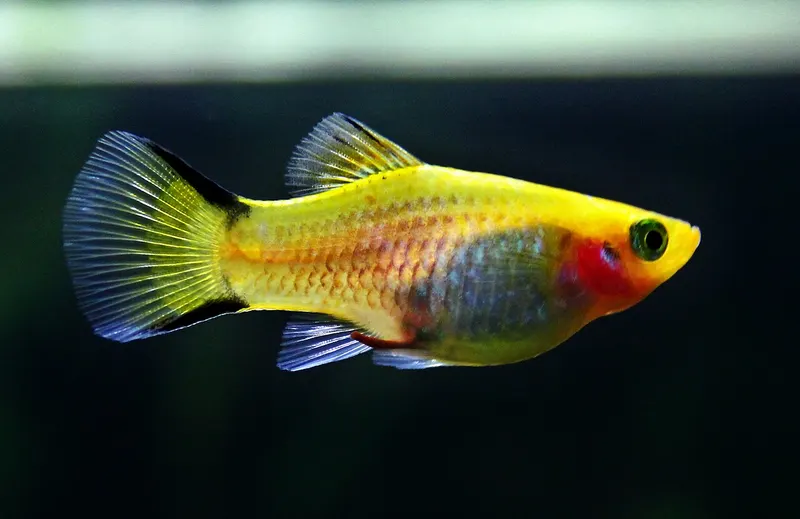
| Molly | Platy | |
|---|---|---|
| Tolerates | 70–82°F | 68–80°F |
| Adult size | 4–5 in | 2–2.6 in |
| Temperament | Peaceful | Peaceful |
| Smallest tank | 20 gallons | 20 gallons |
| Keep at least | 3 together | 3 together |
Water temperature: Both are comfortable at 70–80°F.
How many mollies and platies in your tank
| Tank | Start with | How full | |
|---|---|---|---|
| 40 gallons | 3 mollies + 3 platies | Moderate | Check this setup |
| 55 gallons | 4 mollies + 4 platies | Moderate | Check this setup |
| 75 gallons | 6 mollies + 6 platies | Moderate | Check this setup |
Below 20 gallons there isn’t room for both. There’s no 20-gallon example because both starting groups together come out fuller than Moderate there on our estimate. These are starting groups (each fish’s minimum), not the most you can keep; “how full” is a crowding estimate. Try your numbers in the stocking calculator
Keeping mollies and platies together
- Water temperature: Both are comfortable at 70–80°F.
- pH: Both are comfortable at pH 7.0–8.1.
- Water hardness: Both handle water hardness of 12–20 dGH.
- Food: both are omnivores, so one varied diet feeds both.
- Space: both swim near the top and mid-water.
Give them a 20-gallon tank at minimum, and go larger if you want a breeding group, since both species multiply fast. Keep several females to every male of each species, plant the surface and midwater with floating plants and bushy stems, and keep the water hard and alkaline (pH 7.0–8.1, 12–20 dGH) with temperature at 70–80°F so both are comfortable.
Adding them
- Test the tank first: confirm temperature is 70–80°F, pH is 7.0–8.1 and hardness is 12–20 dGH, the range both species share.
- Buy at least 3 platies, with several females for every male, and a molly group with the same several-females-per-male ratio.
- Rinse and float the bags for about 15 minutes, then add tank water gradually before releasing the fish.
- Once the tank has passed the readiness check, add the platies and mollies together so neither claims the tank first, keep the lights low for the first few hours, and test the water for a week before adding anything else.
- Feed lightly the first day, then offer small portions spread across the surface and midwater so both get food. Mollies reach 4–5 inches, so make sure the smaller platies (2.0–2.6 inches) aren't crowded out.
Things to watch
Expect babies. Mollies and platies give birth to live young easily, so you’ll get fry if you keep males and females. Plan for where they’ll go.
Signs it isn’t working
- Torn or split fins, wounds, missing scales or bite marks on either species. This is an emergency, so separate the fish immediately.
- One fish repeatedly chased, cornered or pinned, especially a platy by a molly or a female by an over-eager male. Separate right away if it keeps happening.
- A platy hiding constantly, hanging at the tank corners, or avoiding the surface at feeding time while the mollies eat first.
- Males harassing females non-stop because there are too few females. Brief flaring or a few chases in the first hours is normal, but constant pursuit means the sex ratio needs fixing.
If it goes wrong: If you see any injury, or one fish is repeatedly chased or cornered, move the targeted fish to a separate tank or a breeder box right away; don't wait to see if it settles. Then fix the cause, whether that means adding more females, more plants or a larger tank, before trying again, or keep the two species in separate tanks.
Other fish that go with both
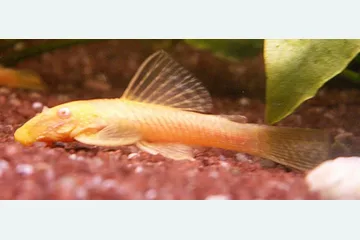
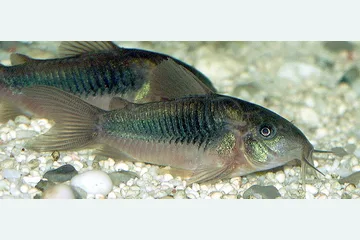
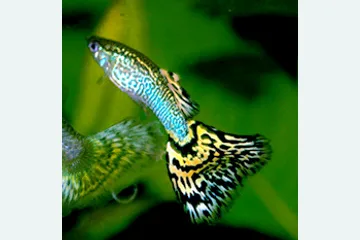
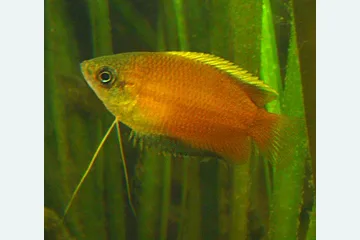
Each is a “Good match” with mollies and with platies in our checks. Check the tank size for the whole mix in the calculator.
How we reached this verdict
| Pass | Water temperature | Both are comfortable at 70–80°F. |
|---|---|---|
| Pass | pH | Both are comfortable at pH 7.0–8.1. |
| Pass | Water hardness | Both handle water hardness of 12–20 dGH. |
| Pass | Size and appetite | Adult mollies reach 4–5 in and platies 2–2.6 in: neither is small enough for the other to eat. |
| Pass | Fins | Neither nips fins. |
| Pass | Temperament | Both are peaceful. |
Sources
(9 references)
Verdicts come from both fish’s cross-checked care facts and our compatibility rules. Each fact’s quotes are on the care pages: Molly · Platy.
- Poecilia sphenops (en.wikipedia.org)
- Poecilia sphenops (Seriously Fish) (seriouslyfish.com)
- Care Guide for Mollies – Feeding, Breeding, and Tank Mates (aquariumcoop.com)
- Sphenops Molly (fishkeeper.co.uk)
- Short-Finned Molly (Poecilia sphenops) Care Guide (en.aqua-fish.net)
- Southern platyfish (en.wikipedia.org)
- Xiphophorus maculatus (Seriously Fish) (seriouslyfish.com)
- Care Guide for Platy Fish – Feeding, Breeding, and Tank ... (aquariumcoop.com)
- Platy Fish Care: Tank Size, Water and the Fry Problem (app-aquatic.com)
Verdicts come from cross-checked species data and our compatibility rules. How verdicts work · Platy care